books

Doctoral Dissertation Guidelines: Expert Guidelines for Writing

23 April 2026
Views (7 views)
Doctoral Dissertation Guidelines: Expert Guidelines for Writing

A doctoral dissertation represents the pinnacle of academic achievement in a researcher’s journey, as it is the culmination of years of continuous scientific effort and deep specialization. However, successfully getting the dissertation accepted and defended depends not only on its scientific content but also on the extent to which the researcher adheres to the academic and writing standards established by universities.

In this guide, we present the most importantdissertation writingguidelineswith a comprehensive explanation of the steps, official standards, and proper formatting according to university guides, in addition to highlighting the most common errors you should avoid to ensure your academic work is accepted with the highest degree of professionalism.


What Are the Guidelines for Writing a Doctoral Dissertation?

Guidelines forwriting a doctoral dissertationare a set of academic standards and criteria established by universities and scientific institutions to ensure the quality of scientific dissertations and their alignment with the principles of rigorous research.

These guidelines cover everything related to the research and writing stages, starting from topic selection, through scientific formulation, to the final formal formatting of the dissertation.

References for the Guidelines:

  • Official guides issued by universities and faculties.

  • Regulations for scientific research in Saudi Arabia and international universities.

  • Specific requirements for each faculty or department depending on the specialization.

Why Are They Important?

  • They ensure the researcher submits work that complies with academic quality standards.

  • They facilitate dissertation review committees’ work.

  • They reflect the researcher’s professionalism and ability to adhere to scientific rules.

Tip:Always start your research by reviewing your university’s guide for writing theses and dissertations, as it is your primary reference.


Detailed Steps for Writing a Doctoral Dissertation

Writing a doctoral dissertation is not merely a writing task but a comprehensive scientific process that goes through several interconnected stages. Adhering to the systematic order of these steps helps you produce an organized and academically acceptable dissertation.

1️⃣ Topic Selection and Research Problem Formulation

  • Choose a novel topic that serves your specialization and contributes to scientific knowledge.

  • Formulate the research problem clearly, specifically, and searchably.

2️⃣ Prepare and Approve the Research Plan

  • Write a comprehensive plan that includes objectives, hypotheses, and methodology.

  • Present it to your supervisor and the graduate studies committee for official approval.

3️⃣ Collect and Analyze Data

  • Identify appropriate data collection tools.

  • Apply the scientific method and conduct statistical analysis if necessary.

4️⃣ Write Chapters in Academic Style

  • Organize chapters according to the standard scientific structure.

  • Use precise and clear scientific language, and support your text with sources.

5️⃣ Review and Edit Texts

  • Correct linguistic and stylistic errors.

  • Ensure all citations are properly documented.

6️⃣ Submit and Discuss the Draft

  • Submit the final version according to university requirements.

  • Prepare to discuss your work and defend your results before the scientific committee.

Reminder:Do not skip any step, as each reflects your academic commitment and the quality of your work.


Rules for Writing a Doctoral Dissertation

Writing a doctoral dissertation requires adherence to a set of strict academic rules, which aim to ensure clarity, scientific accuracy, and credibility of the research. Here are the most prominent of these rules:

1️⃣ Adherence to Scientific Writing Style

  • Ensure the use of clear, precise, and objective language.

  • Avoid declarative phrases and unjustified repetition.

  • Use verbs in the past tense when describing what you have done.

2️⃣ Use of Dignified Academic Language

  • Ensure the message is free from grammatical and linguistic errors.

  • Use your field’s terminology correctly and consistently.

3️⃣ Proper Documentation of References

  • Follow your university’s guide in choosing a citation style (APA, MLA, Chicago…).

  • Document all direct and indirect quotations.

4️⃣ Formatting Tables, Figures, and Appendices

  • Provide each table or figure with a clear title and sequential number.

  • Include all supporting data in the appendices.

5️⃣ Ensuring Originality and Plagiarism-free Work

  • Use citation checking software to ensure text integrity.

  • Rewrite quotations in your own style while documenting the source.

Tip:Don’t leave reviewing these rules for the last moment; make them a practice from the beginning of your writing.


Standards for Writing a Doctoral Thesis According to the Official Guide

Each university issues an official guide that specifiesThe formal and organizational standardsThat must be followed when writing a doctoral thesis. The purpose of these standards is to unify the form of scientific theses, and to facilitate their reading and review.

The Most Important Standards Specified by the Guide:

1️⃣ Font Size, Type, and Margin Limits

  • A traditional font like Times New Roman is usually used at size 12 for texts and 10 for tables and footnotes.

  • Margins are typically 2.5 cm on all sides, and may vary depending on the institution.

2️⃣ Number of Pages and Length Limits

  • Some guides specify the number of pages per chapter or the total length of the work.

  • It is important to adhere to reasonable limits that reflect the depth of the research without excessive elaboration.

3️⃣ Page, Table, and Appendix Numbering

  • Pages are numbered from the introduction until the end of the appendices.

  • Tables and figures are numbered independently of the text with a heading for each.

4️⃣ Arrangement of Chapters and Elements

  • The conventional order:
    Cover – Dedication – Acknowledgments – Abstract – Index – Introduction – Chapters – Results – Recommendations – References – Appendices.

💡Tip:Ensure you obtain the latest version of the university guide you follow, and apply it accurately to avoid comments from the review committee.


How Do I Format My Doctoral Thesis According to University Standards?

Formatting the thesis properly according to the university guide reflects the researcher’s commitment to academic standards and saves you many formal comments during final review. Here are the ideal formatting steps:

1️⃣ Start by Reading the Official Formatting Guide

  • Request the latest version of the thesis formatting guide from the Graduate Studies Deanship or the university website.

  • Confirm that the guide is specific to your college or specialization if there are multiple versions.

2️⃣ Use Approved Templates

  • Some universities provide ready-made templates in Word or LaTeX format that you can download and write on directly.

  • These templates help you arrange headings, margins, numbering, and appendices.

3️⃣ Adhere to Font Sizes and Margins

  • Do not change the font size or type from what is specified in the guide.

  • Ensure that margins are formatted uniformly throughout all pages.

4️⃣ Review the Final Draft With the Relevant Department

  • After completing the formatting, print an initial copy and review it with the Graduate Studies Unit to confirm the final form is correct.

5️⃣ Pay Attention to Small Details

  • Page ordering, index format, table and figure formatting, cover appearance… all these are important details that should not be overlooked.

💡Reminder:Formatting is not just a matter of style, but reflects your seriousness and professionalism as a researcher.


Common Mistakes to Avoid in a Doctoral Thesis

Despite the great effort researchers put into preparing doctoral theses, some formal and scientific errors may negatively affect the quality of the work, or delay its acceptance. Here are the most common mistakes you should avoid:

1️⃣ Neglecting the University Guide

  • Many researchers rely on their previous experiences or colleagues’ advice without referring to the official university guide, leading to violations in formatting and content.

2️⃣ Weak Scientific Documentation

  • Using sources without citing them, or not adhering to a specific citation style, may be considered partial plagiarism or weaken the credibility of the thesis.

3️⃣ Weak Linguistic Formulation

  • Spelling and grammatical errors, and awkward constructions, reduce the academic rigor of the research.

4️⃣ Excessive Elaboration or Brevity

  • Some researchers exaggerate in unnecessary details or shorten important points, affecting the balance of the thesis.

5️⃣ Neglecting Final Review

  • Failing to proofread the texts and ensure they are free from scientific or formal errors before submission.

💡Tip:Dedicate sufficient time for review and proofreading, and seek your supervisor’s or specialist’s opinion before submitting the final version.


Elements of a Doctoral Thesis According to the Official Guide

Each university specifies in its official guide the general structure that the academic thesis should follow. Adhering to these elements reflects your understanding of the principles of scientific research, and facilitates the committee’s evaluation of your work. Here are the essential elements that any doctoral thesis includes:

1️⃣ Title Page

  • Includes the thesis title, researcher’s name, university and college name, supervisor’s name, and submission date.

2️⃣ Dedication and Acknowledgments

  • Short texts in which the researcher expresses gratitude to those who supported them morally or academically.

3️⃣ Abstract

  • A brief abstract in Arabic and another in English summarizing the research topic, objectives, methodology, and most important results.

4️⃣ Table of Contents

  • Includes a list of contents, chapters, tables, figures, and appendices with page numbers.

5️⃣ Introduction and Research Problem

  • Explains the scientific background of the study topic, the importance of the problem raised, and research objectives.

6️⃣ Main Chapters

  • The theoretical framework and previous studies.

  • Methodology (research design, sample, tools).

  • Results and analysis.

  • Discussion and interpretation of results.

7️⃣ Recommendations and Suggestions

  • What the researcher recommends based on the results of their study.

8️⃣ References List

  • All sources that the research relied on, according to the specified documentation style.

9️⃣ Appendices

  • Questionnaires, additional tables, and any other supporting materials.

💡Reminder:Ensure that these items are arranged according to your university’s official guide, as details may vary slightly from one institution to another.


Guide to Writing a Doctoral Dissertation in Saudi Arabia

In the Kingdom of Saudi Arabia, universities set detailed regulations and written guides that explainguidelines for writing a doctoral dissertationfor each faculty or graduate program. These guides serve as the official reference for every researcher and must be followed precisely to avoid rejection of the work or delay in its acceptance.

Importance of Reviewing the University Guide:

  • It provides you with approved formatting standards (font size, margins, numbering).

  • It specifies the approved documentation style for each specialization.

  • It explains the correct sequence of chapters and appendices.

  • It defines the acceptable percentage of quotation and academic integrity standards.

  • It explains the procedures for submitting the thesis and the stages of review and discussion.

Where Can You Find the Guide?

  • The official university website, in the Graduate Studies Dean’s section.

  • The Office of Scientific Research Affairs or the College Secretariat.

  • Through the academic supervisor.

Examples of Saudi University Guides:

💡Tip:Ensure you obtain the latest version of the guide, as standards may be updated from time to time.


Thesis Preparation and Formatting Services With Dr. Study Ideas Company

If you are in the stage of preparing a doctoral thesis and feel the need for professional support, the team ofDr. Study Ideas Company for Research and Developmentplaces its specialized academic experience before you to provide comprehensive and reliable solutions.

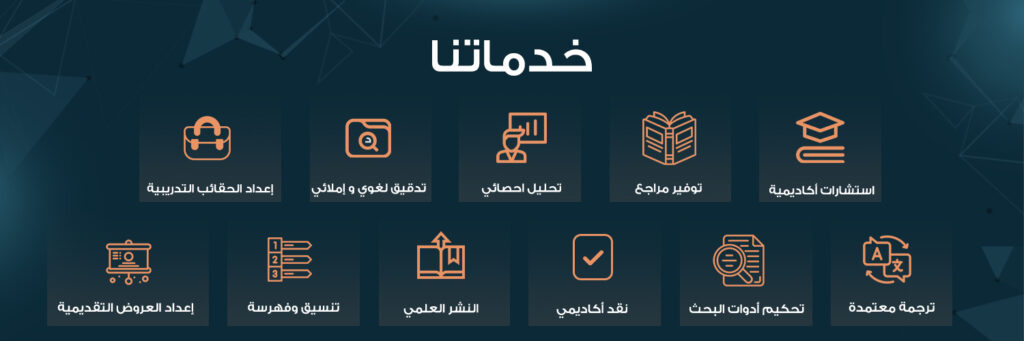
Our Services Include:

✅ Preparing the research plan, its problem, and formulating hypotheses.

✅ Linguistic and academic review of the thesis to ensure the quality of writing.

✅ Verify documentation and references according to your university’s guide.

✅ Format the entire message according to official university guidelines.

✅ Rewrite highlighted paragraphs to reduce the quotation ratio.
✅ Individual academic consultations to support you until the day of defense.

💬Why Us?

  • Long experience in dealing with Saudi and Arab university standards.

  • Specialized academic team in all disciplines.

  • Full commitment to confidentiality, quality, and deadlines.

📞To contact us:
خدمات بحث أكاديمي موثوقة وفق معايير دقيقة لجميع التخصصات.

Frequently Asked Questions About Ph D Thesis Writing Guidelines

❓ What Are the Guidelines for Writing a Ph D Thesis?

They are the set of academic standards defined by the university regarding thesis formatting, writing style, font size, margins, documentation, chapter arrangement, and originality of work.

❓ What Are the Most Important Steps for Writing a Ph D Thesis in Detail?

It begins with topic selection and problem formulation, preparing a research plan and getting it approved, data collection and analysis, writing chapters in academic style, proofreading and review, and finally submitting the draft and discussing it.

❓ How Do I Format a Ph D Thesis According to the Guidelines?

By adhering to the official university guide and using approved templates, and setting margins, font size, and numbering according to requirements.

❓ Where Can I Find a Guide for Writing a Ph D Thesis in Saudi Arabia?

You can obtain it from the graduate deanship at your university, or download it from the university’s official website.

❓ What Are the Common Mistakes to Avoid in a Doctoral Dissertation?

The most common ones include: poor documentation, awkward phrasing, neglecting the university guide, excessive length or brevity, and failure to review the final texts.

❓ What Elements of a Doctoral Dissertation Must Be Included?

These include: the cover page, dedication and acknowledgments, abstract, table of contents, introduction, chapters, results, recommendations, references, and appendices, in the order specified in the guide.

Conclusion

Writing a doctoral dissertation is not just an academic achievement, but also a testament to the researcher’s commitment to the highest standards of academic research, precision, and discipline. The attention to adhering toGuidelines for writing a doctoral dissertationreflects the researcher’s professionalism and gives them greater credibility before examination committees and the academic community as a whole.

Begin your journey by familiarizing yourself with your university’s guide, and understand the steps for writing, formulating, and formatting chapters according to official guidelines. Do not hesitate to seek help from your supervisor or specialized experts to review your work before final submission.

Always remember that the smallest details — from choosing your topic to formatting the margins — can make a difference in the acceptance of your dissertation and in presenting it in the manner it deserves.

🌟 Your commitment to these standards ensures that you submit a dissertation worthy of your academic effort and that contributes a new addition to your academic field.


خدمات دعم الباحثين من شركة دراسة الأفكار

Comments

Explore Our Services
11111
Professional Jamovi Data Analysis Services for Students & Researchers
icon
Professional Jamovi Data Analysis Services for Students & Researchers
11111
خدمة تحليل البيانات باستخدام برنامج JASP
icon
خدمة تحليل البيانات باستخدام برنامج JASP
11111
خدمة التحليل الإحصائي النوعي
icon
خدمة التحليل الإحصائي النوعي
11111
خدمة التحليل المختلط بمنهجية Q
icon
خدمة التحليل المختلط بمنهجية Q
11111
خدمة التحليل الإحصائي بلغة R
icon
خدمة التحليل الإحصائي بلغة R
11111
خدمة التحليل الإحصائي ببرنامج E-Views
icon
خدمة التحليل الإحصائي ببرنامج E-Views
11111
خدمة التحليل الإحصائي المتقدم بـ AMOS
icon
خدمة التحليل الإحصائي المتقدم بـ AMOS
11111
خدمة تصور البيانات (Data Visualization) وإنشاء تقارير تفاعلية
icon
خدمة تصور البيانات (Data Visualization) وإنشاء تقارير تفاعلية
11111
خدمة تصميم العروض التقديمية للمناقشة
icon
خدمة تصميم العروض التقديمية للمناقشة
11111
خدمة الباحث المشارك (Co-Researcher Service)
icon
خدمة الباحث المشارك (Co-Researcher Service)
11111
خدمة عمل كتاب إلكتروني وفق المعايير الأكاديمية
icon
خدمة عمل كتاب إلكتروني وفق المعايير الأكاديمية
11111
خدمة كتابة ملخص البحث وترجمته للإنجليزية
icon
خدمة كتابة ملخص البحث وترجمته للإنجليزية
11111
خدمة تلخيص الكتب والمراجع العربية والإنجليزية
icon
خدمة تلخيص الكتب والمراجع العربية والإنجليزية
11111
خدمة تصميم البوسترات البحثية الاحترافية
icon
خدمة تصميم البوسترات البحثية الاحترافية
11111
خدمة ترشيح المجلات العلمية المحكمة
icon
خدمة ترشيح المجلات العلمية المحكمة
Get a free consultation from experts
whatsapp