








books

How to Read a Citation Report and Understand Key Colors

29 April 2026
Views (4 views)

How to read a citation report and what do the colors mean?If you are a researcher or graduate student, you have likely encountered the academic citation report generated by programs like Turnitin when submitting your research paper. This report shows the similarity percentage between your text and other works, and highlights the texts with different colors that reflect the level of similarity. In this practical guide, we explain step by step how to read the citation report, what the colors mean, what are the acceptable percentages in Saudi universities, and the best ways to reduce similarity rates and achieve academic integrity.

But reading the citationreportand understanding what the percentages and colors mean can be confusing for some, especially for novice researchers. So is all similarity considered plagiarism? What does the red or yellow color mean in the report? And what is the acceptable percentage anyway?

In this article, we will explain to youhow to read a quotation report step by step,the meanings of the colors in the report, and the most importanttips to reduce the ratioUpholding academic integrity standards.


What Is a Citation Report and Why Is It Used?

A citation report is a detailed document issued by specialized software (such as Turnitin) that shows the extent of similarity between textSearchyou provide and previous published or saved work in program databases. This report aims to help researchers and supervisors evaluate the authenticity of academic work, and ensure compliance with scientific integrity standards.

In this report, quoted texts are distinguished by colors and ratios indicating the degree of similarity with other sources, making it easier for the researcher to identify paragraphs that need to be rephrased or documented.

Why do universities and journals require this report?

  • To detect deliberate and unintentional plagiarism.

  • To protect the intellectual property rights of previous authors.

  • To ensure that the research is a new contribution and not just a compilation of published texts.

  • To educate students and researchers about the importance of proper citation and documentation.

💡Important information:Not everything that appears in a citation report is considered plagiarism; there is a normal level of citation in scientifically accepted research, provided it is properly documented.


How to Read a Citation Report Step by Step

A citation report may seem complex when read for the first time, but by following the correct steps, you will be able to interpret it easily and determine whether the percentage is acceptable or needs modification. Here is the correct way to read it:

1Check the Overall Similarity Percentage

At the top of the report, you will find the overall percentage of citation. This percentage represents the total amount of similar text in the research compared to the program’s database.

  • If the percentage is low (usually less than 20-25%), this is a positive indicator.

  • A high percentage (more than 40-50%) requires careful review.

2Identify the Cited Sources

The report lists the sources where similar texts were found, indicating the percentage for each source. It is important to verify whether these texts are documented in the research.

3Review the Highlighted Texts Within the Research

Texts that match other sources are highlighted in different colors. Read these texts and confirm the following:

  • Were they paraphrased in your own language or copied as they are?

  • Was the source properly cited?

  • Do they need to be paraphrased or deleted?

4Distinguish Correct Citations from Plagiarism

Not all similarity constitutes a violation; sentences quoted within quotation marks or paragraphs attributed to their source are considered correct citations.

5Plan to Modify Texts With High Similarity

After identifying texts with high similarity and lack of documentation, paraphrase them in your own language and recheck the report to reduce the percentage.

Tip:Reminder:The report is a tool, and the final decision is yours and your supervisor’s in assessing the acceptability ratio and quality of the work.


What Do the Colors Mean in the Similarity Report?

One of the important features in similarity reports, such as those fromTurnitinis that they use distinct colors to facilitate understanding of the similarity level in texts. Each color reflects the similarity percentage in the highlighted text, and helps the researcher focus on parts that need modification.

Color Interpretation in the Report:

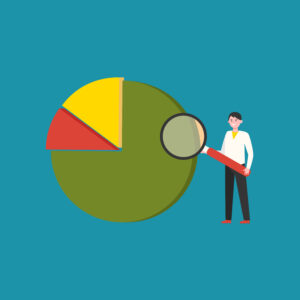
  • 🔴Red color:
    Indicates very high similarity (usually 75–100%). These paragraphs are almost copied as is from the source and need immediate rephrasing or deletion.

  • 🟠Orange color:
    Indicates high similarity (50–74%). The text here is still academically unacceptable and often needs modification.

  • 🟡Yellow color:
    Medium similarity (25–49%). Some institutions accept a small percentage of it if properly documented.

  • 🟢Green color:
    Low similarity (1–24%). This ratio is generally acceptable, especially if from general texts or properly cited.

  • White color:
    No similarity. This part of the text is completely original.

⚠️Important Notes:

  • Colors do not necessarily mean plagiarism; they may be correctly quoted and sourced.

  • Some similarity is natural, especially in definitions and common terms.

  • The focus should be on the red and orange texts, as they are academically the most dangerous.

💡Tip:Do not delete the highlighted texts randomly. Read them, rephrase them, or verify their proper documentation first.

Summary Table of Color Meanings in the Citation Report:

اللون نسبة التشابه الدلالة الإجراء المقترح
🔴 أحمر 75% – 100% تشابه مرتفع جدًا/نسخ مباشر إعادة صياغة أو حذف
🟠 برتقالي 50% – 74% تشابه مرتفع إعادة صياغة وتحسين
🟡 أصفر 25% – 49% تشابه متوسط قبول مشروط مع التوثيق الصحيح
🟢 أخضر 1% – 24% تشابه منخفض مقبول غالبًا
أبيض 0% أصلي بالكامل لا حاجة لتعديل

The Acceptable Percentage of Citation in Scientific Research

One of the most common questions researchers ask is:What is the acceptable percentage of citation in research?

The answer depends on the university’s or scientific body’s policies, and the nature of the specialization. But there are general criteria that can be referred to:

Common Standard Percentages:

  • Less than20%: Very ideal and acceptable in all universities.

  • Between20–30%: Often acceptable if the citations are properly documented.

  • Between30–40%: Requires careful review, and some universities may reject the research if it exceeds this percentage.

  • More than40%: Often considered too high and unacceptable.

Points to Note:

  • The report includes even documented texts, so it is natural for some similarity to appear.

  • Focus on the quality of the citation, not just the final number.

  • The acceptable percentage varies between academic disciplines (such as law, where a slightly higher percentage may be allowed due to its reliance on texts).

💡Reminder:It is always best to review your university’s policy or supervisor regarding the acceptable percentage, and to ensure you rephrase any questionable texts.


How Do You Know If a Citation Is Accepted or Rejected?

Not all similarities that appear in a citation report necessarily mean scientific plagiarism. The correct evaluation depends on understanding whether the cited text has been used and documented correctly.

Accepted Citation:

  • Texts that are cited and labeled with the source in footnotes or a reference list.

  • Direct quotations marked with quotation marks (“…”) or by the researcher’s wording with documentation.

  • Explanatory texts or general terms that cannot be phrased differently.

Rejected Citation:

  • Copying texts verbatim without any documentation of the source.

  • Relying on very long sentences from other sources with only minor changes.

  • Copying an entire paragraph despite the possibility of rephrasing it in the researcher’s own words.

  • Not mentioning the reference in highlighted texts despite it being clear that they are taken from a source.

Advice for the Researcher:

If you find a highlighted paragraph in your report, ask yourself:

  • Have I provided a reference for it?

  • Have I phrased it in my own words?

  • Is it necessary to cite it at all?

If the answer is ‘no’, it needs to be rephrased and documented.


How to Reduce the Citation Percentage in Your Research?

When you discover that the citation percentage in your report is high, there’s no need to worry. There are practical steps you can follow to reduce this percentage and improve the quality of your academic research:

1️⃣ Paraphrasing

  • Rewrite the highlighted texts in your own style while preserving the meaning.

  • Avoid literal translation even if you include the source.

2 Proper Source Documentation

  • Ensure all citations are documented according to the university style (APA, MLA, Chicago…).

  • Even paraphrased texts need to mention the source.

3 Using Analysis and Personal Scientific Language

  • Provide your analysis and interpretation of the results instead of just displaying quoted texts.

  • Focus on your distinctive scientific contribution to the research.

4 Try More Than One Version of the Research

  • After each modification, re-upload the research to the program to check the percentage again.

  • Continue improving the texts until you reach an acceptable percentage.

5 Consult a Specialist

  • You can always consult a specialist in linguistic proofreading or academic analysis to help you rephrase paragraphs correctly.

💡Reminder:The goal is not just to reduce the percentage, but to ensure your research reflects your understanding and scientific originality.


Common Mistakes in Reading Citation Reports

Many researchers make mistakes when reading citation reports, which can lead to misjudging the research status or making incorrect decisions. Here are the most prominent of these mistakes and how to avoid them:

1 Focusing Only on the Overall Percentage

  • Many believe that the final percentage alone is sufficient to judge the research, which is inaccurate. It is more important to review the highlighted texts and look at the quality of similarity.

2 Randomly Deleting All Highlighted Texts

  • Not everything highlighted in the report is considered an error. Some highlighted texts are correct and documented quotations or general terms.

3 Ignoring Mentioned Sources

  • Sometimes a high percentage appears due to repeating the same reference or research title. There is no need to delete it as long as it is correct and documented.

4 Relying on Copied Texts With Only Word Order Changed

  • Reordering sentences without genuine paraphrasing may not actually reduce the percentage.

5️⃣ Failure to Verify University Policy

  • Acceptance rates vary between institutions. Always inquire about your university’s specific policies.

💡Tip:Treat the similarity report as a guiding tool to help improve your work, not as a final judgment on its quality.


Assistance Services from ‘study Ideas’ Company

If you have difficulty reading the similarity report or reducing similarity percentages to acceptable levels, the team at‘Study Ideas for Research and Development’ companyis ready to support you with professional services specifically designed for researchers and graduate students.

What Do We Offer You?

Accurate similarity report analysis:
We review the entire report, identifying texts that need modification or citation.

Academic rewriting:
We rephrase highlighted paragraphs in an authentic academic style while preserving meaning and sources.

Citation and reference proofreading:
We review your citations according to correct academic styles (APA, MLA…).

Reducing similarity while maintaining academic quality:
We ensure you have an authentic academic text with acceptable similarity percentages according to university standards.

Practical training:
Workshops and training courses to teach you how to read and manage Turnitin reports yourself.

Why Us?

  • Long experience in handling academic examination systems.

  • Specialized team in academic writing and paraphrasing.

  • Full commitment to confidentiality, time, and quality.

📞To contact us:

الموقع الأول في المملكة العربية السعودية للخدمات الأكاديمية


Frequently Asked Questions About Citation Report

How Do I Read a Citation Report in Turnitin?

Start by reading the overall percentage, then examine the texts highlighted in different colors. Make sure each highlighted paragraph is either properly cited or needs to be paraphrased, and don’t just look at the final number.

What Do the Colors in the Similarity Report Mean?

  • Red: Very high and unacceptable similarity.

  • Orange: High, needs modification.

  • Yellow: Moderate, usually acceptable with citation.

  • Green: Low and usually acceptable.

  • White: 100% original text.

Does Every Similarity Mean Plagiarism?

No. Some similarity is natural if the text is documented or a common term. The important thing is that the quotation is in an academic context with proper documentation.

How Can I Reduce the Percentage of Quotations in My Research?

By paraphrasing, proper documentation, and using your own academic style instead of literal copying.

What Is the Acceptable Percentage of Quotations in Universities?

It varies by institution, but generally less than 20-25% is considered acceptable in most universities.

How Do I Know If a Quotation Is Acceptable or Not?

If the paragraph is documented and written in the correct academic context, it is acceptable. If it is copied without documentation, it is rejected.

Conclusion

Reading the plagiarism report and understanding the meaning of its colors is a fundamental step for every researcher seeking to submit original academic work that adheres to scientific integrity standards. The report is not a tool to judge you but rather a guide to help you improve your research and address any weaknesses in it.

Always remember that the final percentage alone is not sufficient to evaluate the research; what’s more important is that the quoted texts are properly documented, with your clear academic touch in the analysis and formulation.

If you encounter any difficulties in interpreting the plagiarism report or reducing similarity rates, do not hesitate to seek help from specialized experts to ensure submitting a complete and academically acceptable work.

🌟 Seek scientific excellence in everything you write, and make the plagiarism report a step of learning and development, not just a number you need to reduce.

خدمات بحث أكاديمي موثوقة وفق معايير دقيقة لجميع التخصصات.

Comments

Explore Our Services
11111
Professional Jamovi Data Analysis Services for Students & Researchers
icon
Professional Jamovi Data Analysis Services for Students & Researchers
11111
خدمة تحليل البيانات باستخدام برنامج JASP
icon
خدمة تحليل البيانات باستخدام برنامج JASP
11111
خدمة التحليل الإحصائي النوعي
icon
خدمة التحليل الإحصائي النوعي
11111
خدمة التحليل المختلط بمنهجية Q
icon
خدمة التحليل المختلط بمنهجية Q
11111
خدمة التحليل الإحصائي بلغة R
icon
خدمة التحليل الإحصائي بلغة R
11111
خدمة التحليل الإحصائي ببرنامج E-Views
icon
خدمة التحليل الإحصائي ببرنامج E-Views
11111
خدمة التحليل الإحصائي المتقدم بـ AMOS
icon
خدمة التحليل الإحصائي المتقدم بـ AMOS
11111
خدمة تصور البيانات (Data Visualization) وإنشاء تقارير تفاعلية
icon
خدمة تصور البيانات (Data Visualization) وإنشاء تقارير تفاعلية
11111
خدمة تصميم العروض التقديمية للمناقشة
icon
خدمة تصميم العروض التقديمية للمناقشة
11111
خدمة الباحث المشارك (Co-Researcher Service)
icon
خدمة الباحث المشارك (Co-Researcher Service)
11111
خدمة عمل كتاب إلكتروني وفق المعايير الأكاديمية
icon
خدمة عمل كتاب إلكتروني وفق المعايير الأكاديمية
11111
خدمة كتابة ملخص البحث وترجمته للإنجليزية
icon
خدمة كتابة ملخص البحث وترجمته للإنجليزية
11111
خدمة تلخيص الكتب والمراجع العربية والإنجليزية
icon
خدمة تلخيص الكتب والمراجع العربية والإنجليزية
11111
خدمة تصميم البوسترات البحثية الاحترافية
icon
خدمة تصميم البوسترات البحثية الاحترافية
11111
خدمة ترشيح المجلات العلمية المحكمة
icon
خدمة ترشيح المجلات العلمية المحكمة
Get a free consultation from experts
whatsapp