








Article Index
We select the best for you

Student Guide to Writing Scientific Papers at Tabu University
23 April 2026
(12 views)
Most Viewed
Latest Articles
Categories
- Academic and Language Services
- Fundamental Concepts in Research
- Literature Review
- Master’s and Doctoral Thesis Preparation
- Previous Studies
- Referencing and Citation
- Research Methodologies
- Research Proposal
- Scientific Research Tools
- Services in Saudi Arabia
- Statistical Analysis and Discussion
- Study Abroad Programs
- Success Stories
- Theoretical Frameworks
- Translation
- Universities Guidelines
- Universities News

Student Guide to Writing Scientific Papers at Tabuk UniversityWriting scientific papers is one of the most important stages in a university student’s academic journey, especially at the master’s and doctoral levels. It not only represents a requirement for obtaining the degree but also serves as an indicator of the student’s ability in scientific research, analysis, and critical thinking. In Saudi universities, including Tabuk University, the quality of the scientific paper and its adherence to academic standards demonstrate the researcher’s scientific maturity.
In this context, Tabuk University has issued a comprehensive guide to help students understand the steps and standards for preparing scientific papers and research projects. This guide aims not only to organize writing in terms of format but also to guide students toward preparing a complete scientific research in terms of content and methodology.
The adoption of the scientific papers and research projects writing guide at Tabuk University is an important step to ensure standardization across different faculties and specializations, and to facilitate the evaluation and monitoring process by supervisors and examiners.
What Is the Scientific Papers and Research Projects Writing Guide at Tabuk University?
The scientific papers and research projects writing guide at Tabuk University is an official reference prepared by the Graduate Studies Deanship in cooperation with the academic departments, aiming to clarify the detailed steps for writing papers according to specific scientific and methodological standards.
The Guide Includes Precise Instructions On:
-
The structure of the paper (cover page, chapters, conclusion, appendages).
-
The general formatting of the text (fonts, margins, paragraphs).
-
The method of documenting and citing sources.
-
Ethical standards in scientific research.
-
The differences between a scientific paper and a research project.
This Guide Is Intended For:
-
Master’s and doctoral students enrolled in graduate programs.
-
Bachelor’s students who are required to prepare graduation research projects.
-
Academic supervisors who monitor students’ progress in preparing papers.
Through this guide,Tabuk Universityaims to enhance the quality of research produced within the university, and to facilitate procedures for scientific publication and internal peer review.
The General Structure of the Scientific Paper According to Tabuk University’s Guide
When starting towrite scientific papersstudents must adhere to the structure specified by Tabuk University’s guide, as proper organization facilitates reading and evaluation of the paper by faculty members and examiners.
The Approved Structure Is as Follows:
-
Cover page:
Includes the university name, college name, researcher name, thesis title, supervisor name, and submission date. -
Acknowledgment and Commitment Page:
The student acknowledges the originality of the work and commitment to research ethics. -
Dedication Page (optional) and Introduction:
Written in literary language to prepare the reader for the thesis idea and its importance. -
Table of Contents:
Includes all main and subheadings in the thesis with page numbers. -
Main Thesis Chapters:
-
Chapter One: General introduction, research problem, objectives, questions or hypotheses, importance of the study.
-
Chapter Two: Previous studies and theoretical framework.
-
Chapter Three: Research methodology (method, tools, sample).
-
Chapter Four: Analysis of results and discussion.
-
Chapter Five: Conclusions and recommendations.
-
-
References List:
Written according to a specific citation style (such as APA or Chicago), with alphabetical order and consistent formatting. -
Appendices:
Include questionnaires, additional tables, or any supporting materials for the thesis topic.
This order reflects the required academic commitment and helps the discussion committee evaluate all research elements in an organized and clear manner.
Steps for Writing Scientific Papers According to Taibah University Guide
To write scientific papers in a systematic and sound manner, the student must follow a series of organized steps, which are clearly stated in theScientific Papers Writingand Research Projects Guide at Taibah University. These steps ensure the production of a complete research work in terms of scientific structure and compliance with academic requirements.
Most Prominent of These Steps:
-
Choosing the research topic and formulating the title:
The title should be specific, clear, and appropriate to the student’s specialization, ensuring it is researchable and analyzable. -
Preparing the research proposal (thesis proposal):
It includes a brief introduction, study problem, research objectives, questions or hypotheses, importance of the study, and expected methodology. It is submitted for approval by the supervisor and department. -
Data collection and analysis:
Using appropriate tools such as questionnaires, interviews, or statistical analysis, while adhering to research ethics. -
Writing thesis chapters:
The thesis is divided into chapters starting with the introduction and ending with recommendations and appendices. The logical sequence as shown in the guide must be followed. -
Reviewing and proofreading the thesis:
The thesis must be reviewed linguistically and methodologically, ensuring full compliance with formatting and documentation standards before printing and submission.
Following these steps accurately helps the student avoid common mistakes and saves time and effort during submission and defense.
Formatting Specifications Adopted at Tabuk University
Tabuk University’s guide sets specific controls for formatting scientific theses to standardize the form of submitted theses and facilitate evaluation by academic committees.
Formatting Specifications Include:
-
Font type and size:
Traditional Arabic or Times New Roman font is used, size 16 for Arabic text and 12 for English text, with 1.5 line spacing. -
Margins:
Margins are set at 3.5 cm on the right side and 2.5 cm on other sides, with page numbers at the bottom of the page. -
Title formatting:
Main titles are written in bold (Bold), separated by an appropriate space from the following paragraph. -
Inserting tables and figures:
They must be numbered by chapter, with a title for each table or figure, and the source of data should be specified if available. -
Documentation and citation:
The documentation system used by the department (such as APA, MLA, or Chicago) must be applied accurately in the text and reference list. -
Printing and binding:
The thesis is printed on A4 paper, single-sided only, and bound formally before final submission.
Adherence to these specifications is a fundamental condition for accepting and approving the message, and reflects the student’s commitment to academic details.
Guide for Writing Research Projects for Bachelor’s and Master’s Students
In addition to scientific theses, Tabuk University’s guide includes guidelines tailored for students in programs that require a research project as part of graduation, especially at the bachelor’s and applied master’s levels.
The Following Should Be Considered in These Projects:
-
Selecting a topic related to the student’s academic specialization.
-
Preparing a simplified research plan that includes the problem, objectives, methodology, and key references.
-
Adhering to the specified project size (usually between 30-50 pages).
-
Writing the project in a scientific format, presenting results and recommendations.
-
Documenting references using the system approved by the college.
-
Submitting the project by the deadline within the graduation semester.
Some colleges also provide ready-made templates and formats for graduation projects, along with a checklist to ensure all required elements are complete.
Research projects serve as an early opportunity for students to acquire thesis writing skills and familiarize themselves with scientific research steps before enrolling in graduate programs.
Helpful Tools for Students While Writing Scientific Theses
Writing scientific theses requires helpful tools to facilitate the organization, documentation, and review process for students. The Guide for Writing Scientific Theses and Research Projects at Tabuk University emphasized the importance of utilizing these tools in all stages of research.
Among the most prominent of these tools are:
-
Reference management software:
Such as Mendeley, Endnote, and Zotero, used to organize sources and automatically generate citations and references according to approved documentation systems. -
Academic writing tools:
Programs like Microsoft Word offer automatic formatting features, along with the ability to easily insert tables, figures, margins, and indexes. -
Plagiarism detection tools:
Such as Turnitin and iThenticate, which are used to verify the originality of the text and ensure there are no undocumented quotations, which is crucial in scientific research. -
Approved thesis templates and formats:
Tabuk University provides ready-made templates for scientific theses that comply with the required formatting specifications, to facilitate the writing process for students. -
Language editing and review services:
Seeking the help of a professional language editor can contribute to improving the linguistic quality of the thesis and correcting errors before final printing.
Using these tools does not reduce the effort required from the student, but it helps to complete the work with greater efficiency and quality, and facilitates compliance with the university’s approved guide.
Common Mistakes in Writing Scientific Papers and How to Avoid Them
The experience of supervisors and academic departments at Tabuk University has indicated the existence of several recurring errors that students make when writing scientific papers. These errors can be avoided through full compliance with the guide for writing scientific papers and research projects at Tabuk University.
The Most Prominent of These Errors:
-
Methodological errors:
Such as formulating an unclear research problem, setting goals that do not relate to the study questions, or choosing a methodology that does not suit the nature of the research. -
Weakness in the scientific style:
Such as excessive use of expressive language, repetition of phrases, or inserting personal opinions without scientific evidence. -
Errors in documentation:
Such as not adhering to a uniform style in documenting references, or omitting to mention the source when quoting, which may lead to suspicions of academic integrity. -
Formatting that is not compatible with the university guide:
Such as not adhering to font size, type, or margins, or the arrangement of chapters and appendices. -
Submitting the paper before reviewing it linguistically:
Which leads to the existence of spelling and grammatical errors that may negatively affect the evaluation of the paper.
To avoid these errors, it is recommended to review the university guide carefully, maintain continuous communication with the supervisor, and rely on a checklist before final submission.
Download the Student Guide for Writing Scientific Papers at Tabuk University
The company ‘Ideas Study for Research and Development’ provides an approved electronic version of the student guide for writing scientific papers at Tabuk University in high-quality PDF format. This guide includes all academic and regulatory guidelines for preparing research papers and projects, including writing steps, formatting standards, documentation methods, and university-approved templates.
If you are an undergraduate or postgraduate student, downloading this guide is an essential step to ensure your compliance with approved standards and to submit a strong and comprehensive research paper.
📎To download the guide for writing scientific papers at Tabuk University (PDF):
Frequently Asked Questions About the Guide for Writing Scientific Papers at Tabuk University
-
Is it necessary to comply literally with all provisions of the guide?
Yes, Tabuk University recommends full compliance with what is stated in the guide for writing scientific papers and research projects, especially regarding formatting, structure, and documentation style. Compliance ensures the acceptance of the paper without delay or formal observations that may delay the defense. -
What is the difference between a research project and a scientific paper?
Research projects are often required at the bachelor’s level or in professional programs, and are limited in scope and depth. Scientific theses, however, are required for master’s and doctoral degrees and constitute comprehensive research work in terms of theoretical framework and practical application. -
Can ready-made templates from outside the university be used?
It is preferable to use templates approved by Taibah University, as they are designed to comply with the official formatting specifications approved in the guide. -
What is the optimal time frame to complete the thesis?
It varies depending on the academic program, but generally, master’s students are given one to two years to complete the thesis, provided they make steady progress and obtain their supervisor’s approval. -
What is the role of the academic supervisor in ensuring the student’s compliance with the guide?
The supervisor is responsible for monitoring the student’s compliance with the scientific and methodological framework, reviewing the content with them, and providing necessary guidance on formatting, citation, and the overall structure of the thesis. -
Does the university provide language editing or academic proofreading services?
Some colleges offer special support units, and students can also use external services as long as they are coordinated in a way that preserves the authenticity of the work and prevents tampering with its content. -
What is the procedure in case of a discrepancy between the college guide and the general university guide?
In this case, it is preferable to refer to the college or department guide, as it may include additional details specific to the specialization, while ensuring it does not conflict with the general guidelines of the university guide.
Conclusion:
Writing scientific theses is not just an academic task, but a comprehensive research experience that develops the student’s intellectual, scientific, and methodological abilities. Taibah University has developed a guide for writing scientific theses and research projects as a primary reference that ensures students follow a clear and organized path.
Compliance with the guide helps students avoid methodological and formal errors, saves time during evaluation and review, and contributes to producing a scientific thesis at a high level of quality and professionalism.
Therefore, we advise all graduate and undergraduate students at Taibah University to refer to the approved guide, benefit from the services provided by the university, and maintain continuous coordination with academic supervisors.
Every effort made during the writing and formatting stage directly reflects on the strength of the scientific thesis and its acceptance by the academic community.
Comments
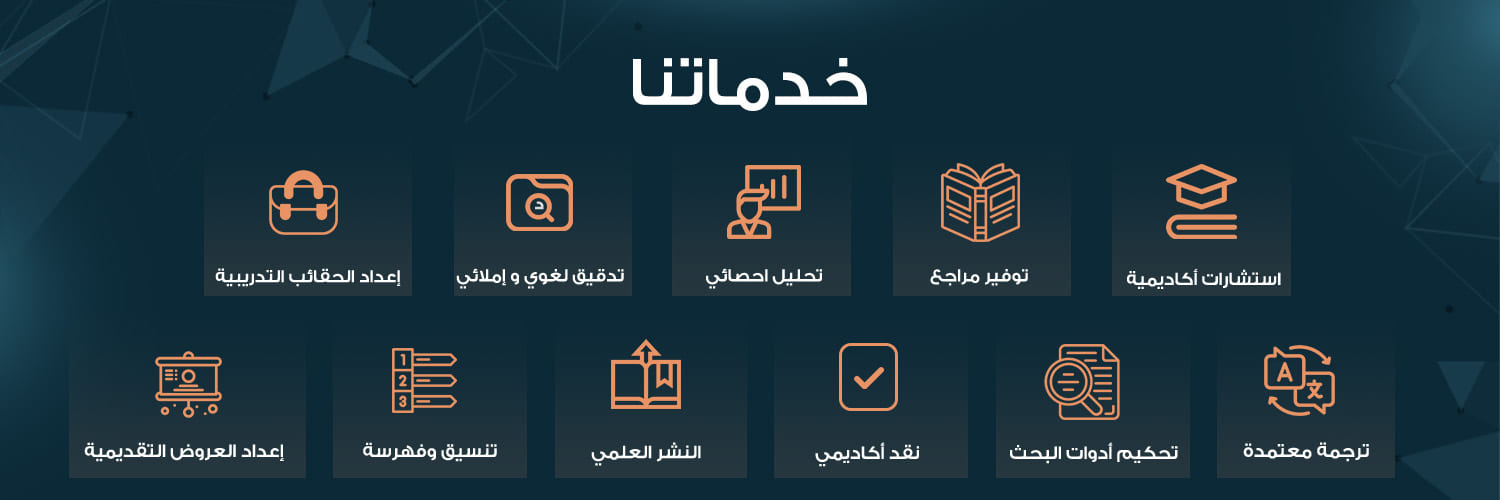
Explore Our Services






















موقع "دراسة الأفكار للبحث والتطوير" هو منصة متخصصة في تقديم الخدمات الأكاديمية والبحثية، تستهدف بشكل رئيسي طلاب الدراسات العليا.
Subscribe to our mailing list to receive all updates



© 2026 All rights reserved - دراسة الأفكار للبحث والتطوير
A technical initiative by Dirasat Al Afkar Office for Research and Development
