








Article Index
We select the best for you

What Are Short University Programs? Benefits & Insights
23 April 2026
(12 views)
Most Viewed
Latest Articles
Categories
- Academic and Language Services
- Fundamental Concepts in Research
- Literature Review
- Master’s and Doctoral Thesis Preparation
- Previous Studies
- Referencing and Citation
- Research Methodologies
- Research Proposal
- Scientific Research Tools
- Services in Saudi Arabia
- Statistical Analysis and Discussion
- Study Abroad Programs
- Success Stories
- Theoretical Frameworks
- Translation
- Universities Guidelines
- Universities News

Higher education worldwide is witnessing rapid development, driven by major changes in the job market and evolving individual needs. While traditional university degrees were once the only option for building a professional future, the focus has shifted toward flexible, targeted education that aligns with specialized fields and skills required in the digital economy era.
Short university programs emerged as a natural response to this shift. They offer a new path for those seeking academic and professional qualifications in a shorter timeframe and at lower cost, with a clear focus on practical and applied aspects. As the need for rapid learning has become a priority for many students and professionals, these programs have become a smart choice in modern education.
What Are Short University Programs?
Short university programs are intensive, time-limited educational pathways, often offered by accredited universities or higher education institutions, aimed at providing participants with academic or professional skills within a short period, typically ranging from a few weeks to less than a year.
These programs are designed to be practical and realistic, focusing on applying knowledge in real-world work contexts rather than delving deeply into long-term academic theories. They serve as a flexible alternative for those unable to commit to traditional bachelor’s programs that take three to four years.
Unlike general training courses, short university programs often provide official certificates or academic credits that can be listed in professional records or used for further study later.
Goals of Short University Programs
The importance of short university programs lies in their practical and strategic objectives, as they aim to meet job market requirements and enable individuals to quickly acquire the skills they need. Among the most prominent goals of these programs are:
-
Providing concise, effective applied education that meets immediate job market needs.
-
Helping students and professionals develop their competencies without needing to quit work or traditional studies.
-
Enhancing employment opportunities and career advancement through short, recognized certificates.
-
Enabling organizations to train their employees quickly and at lower cost.
-
Bridging the gap between traditional education outcomes and evolving digital and professional requirements.
Through these goals, short university programs align with modern trends in flexible education and lifelong learning.
Types of Short University Programs
Short university programs vary greatly to meet diverse needs among learners and different sectors. This alternative education has become a flexible space offering specializations and skills that can be directly applied in professional settings. Here are the main types of these programs:
-
Technology and IT programs: Cover topics such as data science, web development, artificial intelligence, cybersecurity, and digital transformation. These are among the most in-demand programs due to their alignment with technological job market needs.
-
Management and entrepreneurship programs: Focus on business management skills, digital marketing, strategic planning, and entrepreneurship. They suit business owners or employees seeking advancement.
-
Healthcare sector programs: Include courses in first aid, practical nursing, or administrative skills for healthcare institutions. These are often required in medical and community settings.
-
Design and media programs: Such as graphic design, digital photography, content writing, and video production. They are ideal for those working in creative media or marketing.
-
Personal skills programs: Cover skills such as critical thinking, time management, communication, and teamwork, and suit all educational and professional categories.
This diversity gives learners the freedom to choose a path that matches their interests and professional direction, whether they want to enter the job market or transition to a new field.
Beneficiaries of Short University Programs
Short university programs are designed to be flexible and accessible, making them suitable for diverse groups of people, whether they are at the beginning of their academic journey or in the middle of their professional lives. Among the beneficiaries are:
-
High school graduates: Those who couldn’t enroll in universities for financial or time reasons, or those looking for fast and practical educational alternatives.
-
Professionals looking to develop their skills: Especially those working in changing or technical fields who need to continuously update their knowledge.
-
Those planning to change their career path: Short programs help acquire essential skills to enter a new field without needing to return to traditional university studies.
-
Universitygraduates: Those who want to enhance their resumes with additional skills required in the job market.
-
Institutions and companies: That want to train their employees on specific skills effectively and at a reasonable cost, without disrupting business operations.
Thanks to their flexibility and specialization, these programs meet diverse real, personal, and professional needs.
Key Benefits of Short University Programs
Universityshort programsThe benefits of short university programs are not limited to their short duration or lower cost, but they come with comprehensive advantages that make them a practical and smart choice for ambitious learners. Here are their main benefits:
-
Time and effort saving: As the program can be completed in a short period, this means a quick start in the job market or professional development.
-
Direct practical content: These programs focus on practical skills rather than abstract theories, making graduates more ready for work.
-
Flexible study: Often offered through distance education or hybrid models, giving learners flexibility in time and place.
-
Lower cost: Compared to full university programs, these programs are more economical, making them more accessible.
-
Academic or professional accreditation: Many of these programs are offered by recognized universities or institutions, giving their certificates value in the job market.
-
Opening new career prospects: By providing skills that may not be available in traditional education, or not covered in sufficient depth in university specializations.
These benefits make short university programs an ideal way to combine education and application, and a practical gateway to develop or build a career from scratch.
Micro X Initiative for Short University Programs
The MicroX Initiative for Short University Programs is one of the leading educational initiatives in the Arab world that aims to offer flexible, recognized, and skills-oriented university education that meets the actual requirements of the job market. The initiative aims to bridge the gap between traditional university education and the requirements of modern jobs that require specialized competencies that can be acquired in a short period.
What Distinguishes the Micro X Initiative Is That It:
-
Allows students to choose short programs with high-quality academic content in cooperation with prestigious universities.
-
Focuses on practical, directly applicable skills in fields such as technology, management, digital marketing, and education.
-
Provides a flexible educational environment online or through blended learning, enabling learners to study while working or fulfilling personal commitments.
-
They provide trusted certificates that can be included in academic records or used in employment opportunities.
-
They take into account individual differences in terms of time and learning pace, opening the door to a wide range of learners.
Through the MicroX initiative, students and professionals can now join short but high-quality academic pathways without needing to enroll in a full bachelor’s program, opening new avenues for lifelong learning.
The Difference Between Short Academic Programs and General Training Courses
Despite the apparent similarity between short academic programs and general training courses, there are fundamental differences that make the former more in-depth, recognized, and impactful professionally:
-
Issuing body: Short academic programs are usually issued by universities or higher education institutions, while training courses are offered through open platforms or non-academic training providers.
-
Formal recognition: Short programs carry academically accredited certificates that can be utilized in employment opportunities or further education, whereas general courses sometimes lack formal institutional recognition.
-
Program content: In short academic programs, content is built on clear academic standards with assessments and tests, while some courses limit themselves to viewing without real follow-up or evaluation.
-
Duration and commitment: Short programs require greater academic commitment and regular follow-up, compared to less formal flexibility in general courses.
-
Certificate value: Certificates from short academic programs carry more weight in resumes, especially if they are within recognized initiatives like MicroX.
Therefore, choosing one path or the other depends on the learner’s goal, but short academic programs represent a more structured and professional option.
Potential Challenges of Short Academic Programs
Despite the real opportunities for learning and professional growth that short academic programs offer, there are some challenges that individuals or institutions may face when choosing or dealing with them:
-
Lack of recognition in some academic sectors: Some traditional educational institutions may not consider short programs equivalent to full certificates or diplomas.
-
Variation in quality among providers: Not all programs are at the same level; there are programs with strong content and others that lack proper academic preparation.
-
Market saturation: The increasing number of short programs may make it difficult to distinguish between programs with actual value and those lacking quality or accreditation.
-
Lack of awareness: Many students and parents are still unaware of the importance of these programs or how to benefit from them.
-
Need for ongoing regulation and evaluation: To ensure program quality and outcomes, these initiatives should be subject to ongoing supervision and evaluation by independent or academic bodies.
Overcoming these challenges requires awareness from learners, along with clear accreditation and quality monitoring systems from responsible educational authorities.
Tips for Choosing a Suitable Short Academic Program
With the variety of options and diversity of institutions offering short academic programs, it becomes essential for learners to follow clear criteria when deciding to enroll in a specific program. Here are the most important tips to help you choose the most suitable program for your needs and goals:
-
Clearly define your professional or academic goal: Ask yourself: Am I looking for a quick skill for employment? Or a gateway to transition to a new specialization? Or do I want to improve my skills within my current field?
-
Verify the academic accreditation: Ensure that the institution offering the program is officially recognized, whether it’s a local or international university, or within trusted initiatives like the MicroX initiative for short academic programs.
-
Review the program content and learning outcomes: Read the program description in detail and ensure that the topics covered align with your needs, and that the learning outcomes are practically applicable.
-
Compare the program’s duration, cost, and value: Don’t be fooled by short duration alone; compare the duration, cost, and program content along with its long-term benefit.
-
Read reviews and opinions from previous students: experiences from those who came before you can give you a clearer picture of the program’s strengths and weaknesses.
-
Ensure there is technical or academic support: reliable programs provide support channels for academic assistance and to follow learners throughout their educational journey.
The right choice of program enhances your chances of success and makes your educational experience a real turning point in your professional or academic path.
The Future of Short-term University Programs in the Arab World
The Arab world is gradually moving towards adopting alternative and flexible education as part of human resource development strategies and enhancing employment. Short-term university programs represent an exceptional opportunity in this context, especially with the increasing digital transformation and the spread of skills required in the modern economy.
Among the Most Positive Indicators:
-
Support from some Arab governments for national initiatives like MicroX for short-term university programs, which aim to quickly build qualified national cadres.
-
Major universities are moving to provide accredited short certificates, as part of continuing education or lifelong learning programs.
-
Young people’s acceptance of non-traditional education and their interest in practical skills related to the job market, more than long theoretical certificates.
-
Partnerships between the academic and private sectors to develop short programs focused on actually required skills.
With the increasing use of technology in education, the future of these programs looks promising, especially given the growing need for fast, practical, and customizable education.
Conclusion
Short-term university programs are no longer just an alternative to traditional education, but have become a main path for flexible and market-oriented learning. Whether you are a student looking for a quick career start, or a professional aspiring to develop your skills, these programs give you a real opportunity to enhance your abilities without committing to years of long study.
Initiatives like MicroX for short-term university programs represent a leading model in this field, combining academic quality with practical flexibility, making them an ideal choice for those seeking excellence in an era of speed and specialization.
Ultimately, choosing the right program and using it wisely can be a starting point towards a more efficient future, wider career opportunities, and education that keeps pace with your changing world.
Comments
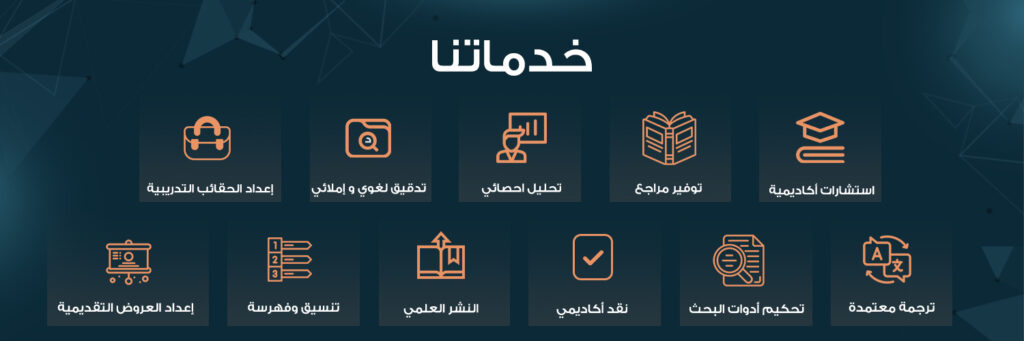
Explore Our Services





















موقع "دراسة الأفكار للبحث والتطوير" هو منصة متخصصة في تقديم الخدمات الأكاديمية والبحثية، تستهدف بشكل رئيسي طلاب الدراسات العليا.
Subscribe to our mailing list to receive all updates



© 2026 All rights reserved - دراسة الأفكار للبحث والتطوير
A technical initiative by Dirasat Al Afkar Office for Research and Development
